Arigatto: A Futuristic Font for Modern Designers
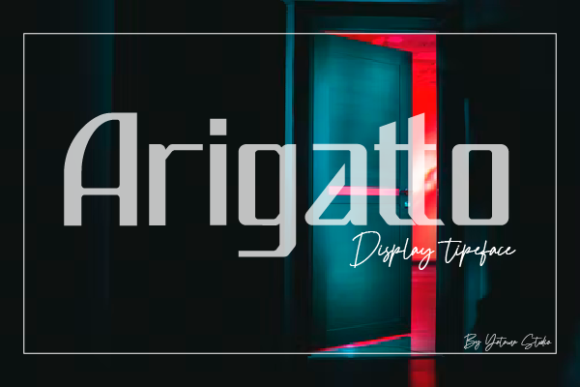
When it comes to typography, the right font can make all the difference in how your message is received. Arigatto is a square-lettered display font that offers an elegant and futuristic aesthetic, making it ideal for a wide range of design projects. Whether you're working on a website, a marketing campaign, or a personal project, Arigatto brings a unique visual appeal that stands out from the crowd.
What Makes Arigatto Unique?
Arigatto is more than just a stylish font—it's a versatile tool designed to meet the needs of modern designers. Its square lettering gives it a clean, structured look that pairs well with both digital and print media. The font supports all glyph languages, ensuring that it can be used across different regions and cultures without any issues. Standard punctuation is also included, making it easy to create professional-looking text without worrying about missing characters.
One of the key advantages of Arigatto is its ability to add a futuristic touch to any design. This makes it particularly popular among creators who want to convey innovation, technology, or modernity in their work. From logos and headlines to social media graphics and web interfaces, Arigatto can enhance the visual impact of your content.
Common Mistakes When Using Arigatto
While Arigatto is a powerful font, there are several common mistakes that users may make when incorporating it into their designs. One of the most frequent errors is using the font in situations where readability is compromised. Because of its square-lettered style, Arigatto may not be the best choice for long blocks of text. It’s important to remember that display fonts like Arigatto are meant for headlines, titles, and short phrases rather than body copy.
Another mistake is not considering the context in which the font will be used. Arigatto’s futuristic appearance may not align with the tone or purpose of every project. For example, if you’re designing something that requires a traditional or classic feel, Arigatto might come across as too modern or out of place. Always evaluate whether the font matches the overall theme and message of your design.
Overlooked Details When Choosing Arigatto
Before downloading or purchasing Arigatto, there are several details that users often overlook. One of these is checking the licensing terms. Depending on the source, Arigatto may have different usage rights for personal versus commercial projects. Failing to understand these terms could lead to legal issues down the line, especially if you plan to use the font in a professional setting.
Another detail that is frequently missed is testing the font in different sizes and formats. While Arigatto looks great at larger sizes, it may not render as effectively at smaller points. This can affect the clarity of your text, especially in mobile-friendly designs or printed materials. Always preview the font in various contexts to ensure it works well across different platforms and devices.
How to Avoid Common Pitfalls
To get the most out of Arigatto, start by understanding its strengths and limitations. Use it for headings, logos, and other prominent elements where its visual appeal can shine. Avoid using it in body text unless you’re confident it will maintain readability. If you’re unsure, test the font with sample text to see how it performs in your specific project.
Additionally, take the time to review the licensing information before using Arigatto. Many fonts offer different licenses for different uses, so it’s essential to choose the right one for your needs. If you’re working on a commercial project, consider purchasing a license that covers your intended use to avoid any potential issues.
Realistic Examples and Better Approaches
Let’s say you’re designing a tech startup’s website. Arigatto could be an excellent choice for the main headline, giving the site a modern and innovative look. However, if you use the same font for the navigation menu or footer, it might become visually overwhelming. Instead, pair Arigatto with a simpler, more readable font for the body text to create a balanced design.
Another example is a social media campaign. Arigatto can be used to create eye-catching captions or post titles that stand out in a crowded feed. But if you use it for every element of the post, it might lose its impact. Use it strategically to highlight key messages or visuals, and let other elements provide contrast and clarity.
What to Check Before Using Arigatto
Before finalizing your decision to use Arigatto, ask yourself a few key questions. Is the font appropriate for the project’s purpose? Does it complement the overall design and message? Will it be readable in the intended format? These considerations can help you make a more informed choice and avoid potential issues.
Also, check if the font is available in the correct file format for your software. Arigatto may come in different versions, such as OTF or TTF, and ensuring compatibility with your design tools is crucial. If you’re working with a team, confirm that everyone has access to the same version of the font to maintain consistency across projects.
Final Thoughts on Arigatto
Arigatto is a powerful and versatile font that can elevate the visual appeal of your designs. Its square-lettered structure and support for multiple languages make it a valuable asset for creators looking to add a futuristic touch to their work. However, like any design tool, it’s important to use it wisely and with consideration for its strengths and limitations.
By avoiding common mistakes, checking licensing terms, and testing the font in different contexts, you can ensure that Arigatto enhances your projects rather than hinders them. Whether you're a beginner or an experienced designer, Arigatto offers a unique opportunity to express creativity while maintaining professionalism and clarity in your work.