Bad Apple Font: A Bold Choice for Creative Projects
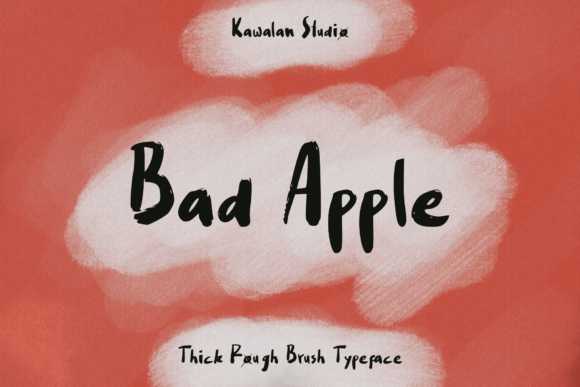
The Bad Apple font is a distinctive semi-dry, thick, and brushed display typeface that offers a unique visual identity. Its rough texture and strong presence make it ideal for projects where a bold, attention-grabbing style is needed. Designed with versatility in mind, Bad Apple can be used across various mediums, including logos, flyers, magazines, headers, posters, and even clothing designs. This article explores the characteristics of Bad Apple, its potential applications, and considerations for those evaluating its suitability for their creative needs.
What Is Bad Apple?
Bad Apple is a display font that combines a thick, textured appearance with a slightly irregular brush stroke effect. It is not a traditional serif or sans-serif font but rather a stylized typeface that mimics the look of hand-painted or rough-edged text. The font’s name suggests a playful yet edgy aesthetic, which aligns with its visual style. Its semi-dry finish gives it a slightly weathered look, making it stand out in a crowded design landscape.
Unlike more refined or clean fonts, Bad Apple embraces imperfections, which can be both a strength and a limitation depending on the intended use. The font’s design is best suited for projects that aim to convey a sense of energy, rebellion, or artistic expression rather than professionalism or minimalism.
Why Someone Might Be Interested in Bad Apple
Designers and marketers looking for a striking visual element may find Bad Apple appealing. Its bold and unconventional style can help a project stand out, especially in industries such as music, fashion, or entertainment, where a unique identity is crucial. For example, a band logo or a streetwear brand might benefit from the font’s raw, unpolished look.
Additionally, Bad Apple’s versatility allows it to be used in both digital and print formats. Whether creating a poster for an event or designing a t-shirt, the font can add a distinctive touch that differentiates a project from others. Its ability to work well in large sizes makes it particularly effective for headings and titles where visibility is key.
Benefits of Using Bad Apple
One of the main advantages of Bad Apple is its ability to create a strong visual impact. The font’s thick strokes and rough texture can evoke a sense of authenticity and creativity, which can be beneficial for brands aiming to communicate a specific mood or personality. It is also relatively easy to read at larger sizes, making it suitable for headlines and promotional materials.
Another benefit is its adaptability. While it may not be the best choice for body text, Bad Apple can serve as a powerful accent font in a design. When paired with simpler, more readable fonts, it can add contrast and visual interest without overwhelming the overall composition.
Tradeoffs and Considerations
Despite its strengths, Bad Apple may not be the right choice for every project. Its rough texture and irregularity can make it less legible at smaller sizes, which limits its use in body text or detailed information. Additionally, the font’s edgy aesthetic may not align with more formal or traditional branding efforts, where a polished and professional look is preferred.
It is also important to consider the context in which the font will be used. In some cases, a more neutral or minimalist font may be more appropriate, especially when the goal is to convey clarity and professionalism. Designers should evaluate whether the font’s character matches the tone and message of the project.
Situations Where Bad Apple Excels
Bad Apple is particularly effective in scenarios where a strong, unconventional visual style is desired. For instance, it can be an excellent choice for:
- Logos: Brands aiming for a rebellious or artistic image may find Bad Apple useful for creating a memorable and distinctive logo.
- Flyers and Posters: The font’s boldness makes it ideal for eye-catching promotional materials, especially for events or products targeting a younger, more adventurous audience.
- Magazine Headers: When used as a headline font, Bad Apple can add a dynamic and energetic feel to editorial content.
- Clothing Designs: T-shirts, hats, and other apparel items often benefit from bold, expressive typography, making Bad Apple a good fit for this application.
When Alternatives May Be Better
In certain situations, alternative fonts may offer better results. For example, if the goal is to create a clean, modern, or professional look, a sans-serif or serif font might be more appropriate. Similarly, if readability at small sizes is a priority, a more conventional typeface could be a better choice.
Designers should also consider the target audience. If the project is aimed at a conservative or business-oriented demographic, the edgy nature of Bad Apple may not resonate well. In such cases, a more subdued or classic font would likely be more effective.
Practical Decision-Making Insights
When deciding whether to use Bad Apple, designers should ask themselves a few key questions:
- What is the primary purpose of the design? Is it to grab attention, convey a specific mood, or communicate information clearly?
- Who is the target audience? Will the font’s aesthetic appeal to the intended viewers, or could it be off-putting?
- How will the font be used? Is it for a headline, logo, or body text? Does it need to be readable in different sizes and formats?
- What is the overall design style? Does Bad Apple complement the rest of the visual elements, or does it clash with them?
By answering these questions, designers can determine whether Bad Apple aligns with their goals and the needs of their project. Testing the font in different contexts and with different pairings can also provide valuable insights into its effectiveness.
Conclusion
Bad Apple is a bold and expressive font that can add a unique flair to creative projects. Its thick, textured appearance makes it ideal for applications where a strong visual impact is desired. However, its edgy aesthetic may not suit all design contexts, and careful consideration is needed to ensure it complements the overall message and audience.
For those seeking a distinctive and dynamic typeface, Bad Apple can be a powerful tool. But for projects requiring clarity, professionalism, or subtlety, alternative fonts may be more appropriate. By evaluating the specific needs of each project, designers can make informed decisions about whether Bad Apple is the right choice for their work.