Exploring Hallgone: A Modern Script Font for Elegant Design
When it comes to selecting the right font for design projects, the choice can significantly impact the overall aesthetic and effectiveness of the work. Hallgone is a modern script font that offers a calligraphy style, making it a popular option for various creative applications. This article explores what Hallgone is, its potential uses, and how it compares to other fonts in terms of suitability for different design needs.
What Is Hallgone?
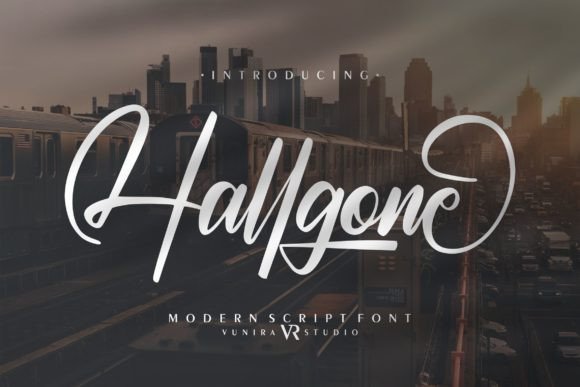
Hallgone is a contemporary script font designed to emulate the fluidity and elegance of calligraphy. Its flowing lines and refined structure make it ideal for projects that require a touch of sophistication. The font's design balances readability with artistic flair, allowing it to stand out while remaining legible in most contexts. It is often used in visual materials where a personal or artistic tone is desired.
Reasons to Consider Hallgone
There are several reasons why someone might choose Hallgone for their design work. First, its calligraphy style adds a unique visual appeal that can elevate the look of invitations, greeting cards, and branding materials. The font's versatility allows it to be used in both digital and print formats, making it suitable for a wide range of applications.
Additionally, Hallgone can help create a cohesive brand identity when used consistently across marketing collateral. Its elegant appearance makes it particularly well-suited for luxury or lifestyle brands looking to convey a sense of refinement. For designers seeking a font that combines beauty with functionality, Hallgone may be an attractive option.
Benefits of Using Hallgone
One of the primary benefits of Hallgone is its ability to add a handcrafted feel to designs. This can be especially valuable in projects where personalization or artistic expression is important. The font’s structure allows for easy customization, enabling designers to adjust spacing, sizing, and other elements to fit specific needs.
Another advantage is its compatibility with various design software and platforms. Most modern design tools support custom fonts, so integrating Hallgone into a project should be straightforward. This flexibility ensures that users can apply the font in different formats without technical limitations.
Tradeoffs and Considerations
While Hallgone has many strengths, there are some tradeoffs to consider. One potential limitation is its readability in smaller sizes. In certain contexts, such as body text or low-resolution displays, the intricate details of the font may become less clear. This means that it may not be the best choice for long paragraphs or dense text blocks.
Another consideration is the availability of similar fonts. There are many alternative script fonts on the market, each with its own unique characteristics. Depending on the specific needs of a project, a different font might offer better results. It’s important to evaluate multiple options before making a final decision.
Situations Where Hallgone Fits Well
Hallgone is particularly effective in scenarios where a refined or artistic touch is needed. For example, it works well for wedding invitations, where the font can add a sense of elegance and personalization. It is also suitable for greeting cards, posters, and social media graphics that aim to capture attention with a stylish appearance.
In branding, Hallgone can help establish a distinct identity, especially for businesses that want to convey creativity or exclusivity. It is also useful in quote graphics, where the font’s visual appeal can enhance the message being conveyed. When used appropriately, Hallgone can significantly contribute to the overall impact of a design.
Situations Where Alternatives May Be Better
There are cases where other fonts may be more suitable than Hallgone. For instance, if the primary goal is clarity and legibility, a sans-serif or serif font might be a better choice. These types of fonts are often preferred for body text, headings, and other content where readability is crucial.
Additionally, for projects that require a more casual or modern look, alternative script fonts with simpler styles may be more appropriate. Designers should consider the tone and purpose of their work when selecting a font, ensuring that it aligns with the intended message and audience.
Practical Decision-Making Insights
When deciding whether to use Hallgone, it’s helpful to start by identifying the specific goals of the project. If the objective is to add a decorative or artistic element, Hallgone could be a strong candidate. However, if the focus is on clarity or simplicity, other fonts may provide better results.
It’s also advisable to test the font in different contexts before committing to it. Previewing how Hallgone looks in various sizes, backgrounds, and layouts can help determine its effectiveness for a particular use case. This approach ensures that the chosen font meets the practical needs of the design.
Finally, considering the target audience is essential. A font that appeals to one group may not resonate with another. Understanding the preferences and expectations of the audience can guide the selection process and lead to more successful outcomes.