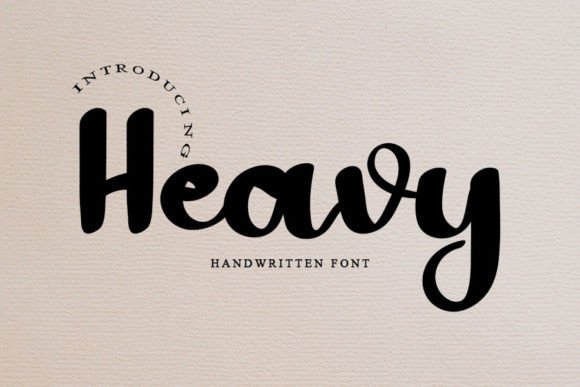
Heavy: A Handwritten Font with Elegance and Charm
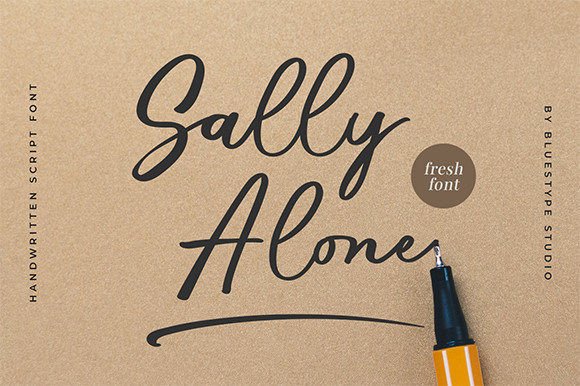
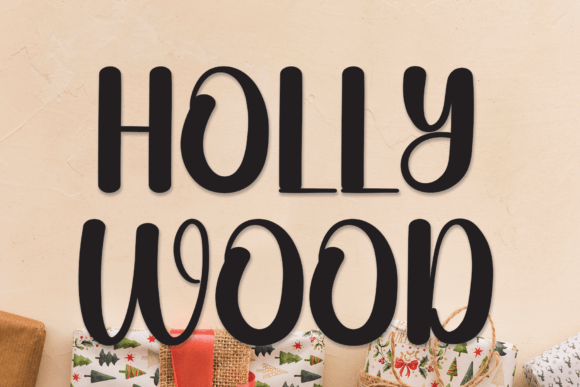
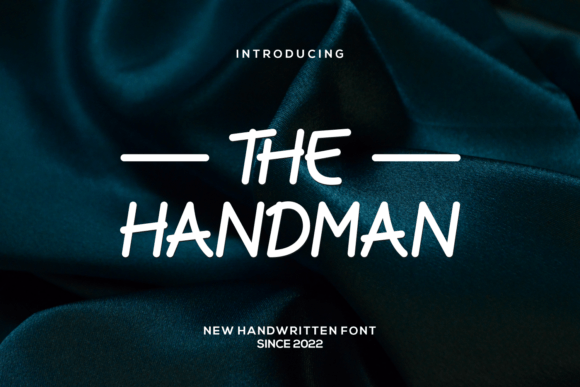
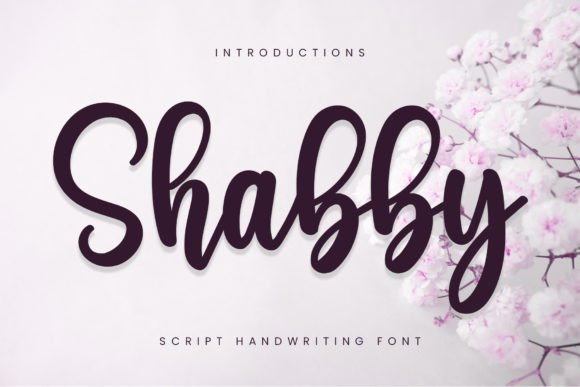
If you're looking for a font that combines the warmth of handwriting with a touch of sophistication, Heavy might be just what you need. This unique typeface is designed to bring personality and flair to any project, making it a versatile choice for both personal and professional use.
Heavy isn't just another font—it's a statement. Its handwritten style gives it a sense of authenticity and creativity, while its clean lines ensure it remains readable and professional. Whether you're designing a logo, creating social media content, or working on a DIY project, Heavy adds a distinctive character that stands out from the crowd.
What Makes Heavy Unique?
One of the standout features of Heavy is its balance between elegance and playfulness. The font has a natural, organic feel that feels handcrafted rather than machine-generated. This makes it ideal for projects that require a personal touch or a more artistic approach.
The design of Heavy includes subtle variations in stroke weight and spacing, which mimic the irregularities of real handwriting. These small details contribute to its charm, making it feel more human and less rigid than many digital fonts. At the same time, it maintains a level of consistency that ensures it works well in various formats and sizes.
Another notable quality of Heavy is its versatility. It can be used in a wide range of applications without losing its visual appeal. From headings and titles to body text, Heavy adapts well to different contexts, making it a valuable addition to any designer's toolkit.
Practical Applications of Heavy
For businesses and entrepreneurs, Heavy offers a fresh alternative to standard fonts. It can be used in branding materials such as logos, business cards, and packaging to create a memorable and distinctive identity. The font’s personality helps convey a brand's values, whether it's about creativity, innovation, or a connection to nature.
Marketers and social media managers will find Heavy useful for creating eye-catching headlines and captions. Its readability at smaller sizes makes it suitable for posts, banners, and other digital content where clarity is essential. The font's unique style also helps content stand out in a crowded online space.
Educators and publishers can benefit from using Heavy in presentations, worksheets, and educational materials. Its friendly appearance can make learning more engaging, especially for younger audiences. However, it's important to consider legibility when using it for larger blocks of text, as its handwritten style may not be ideal for long paragraphs.
Crafters and DIY enthusiasts will appreciate how Heavy enhances handmade projects. It works well on signs, labels, greeting cards, and custom merchandise. Pairing it with other decorative elements can elevate the overall aesthetic of a project, adding a personal and artistic touch.
When to Use Heavy and When to Avoid It
Heavy is best suited for projects that benefit from a creative or personal tone. It excels in areas like branding, marketing, and design work where visual appeal and uniqueness are important. However, it may not be the best choice for formal documents, technical writing, or anything requiring a highly professional or neutral look.
When selecting a font, it's important to consider the audience and the message being conveyed. Heavy works well for casual or artistic contexts but may not be appropriate for legal, financial, or academic settings where traditional fonts are expected.
Designers should also test Heavy in different sizes and formats to ensure it performs well across platforms. While it looks great in headings and short phrases, it may require adjustments when used in longer texts or specific layouts.
How to Incorporate Heavy into Your Work
Start by experimenting with Heavy in small projects to get a feel for how it looks and functions. Use it for a logo, a social media post, or a design mockup to see how it fits with your existing style. Pay attention to how it interacts with other elements, such as colors, images, and layout structures.
Consider pairing Heavy with complementary fonts to create contrast and balance. For example, using it alongside a clean, sans-serif font can help draw attention to key elements while maintaining readability. This approach allows you to leverage the strengths of both fonts without overwhelming the design.
When implementing Heavy in digital projects, make sure to use the correct file format and licensing. Always check the font's usage rights to avoid any legal issues, especially if you're using it for commercial purposes.
Final Thoughts on Heavy
Heavy is more than just a font—it's a tool that can enhance the visual storytelling of your work. Its blend of elegance and quirkiness makes it a standout choice for those who want to add a personal and artistic touch to their designs. Whether you're a designer, marketer, educator, or hobbyist, Heavy offers a unique way to express your creativity and connect with your audience.
By understanding its strengths and limitations, you can make the most of this versatile font and incorporate it into your projects in a meaningful way. With careful consideration and thoughtful application, Heavy can become an essential part of your design repertoire.