Lemonisy: A Playful Font for Creative Projects
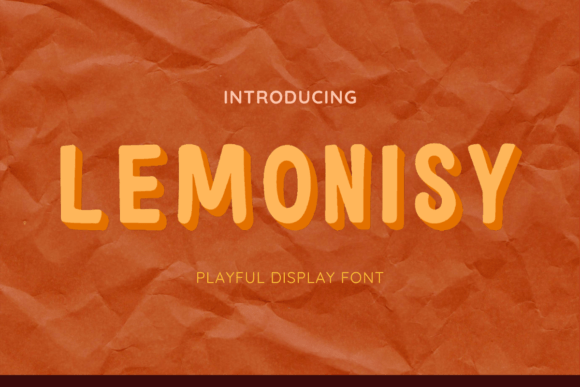
Lemonisy is more than just a font—it's a personality. With its whimsical curves and bright, energetic strokes, it brings a sense of fun and creativity to any design. Whether you're working on a digital poster, a brand logo, or social media graphics, Lemonisy adds a unique flair that stands out. Its playful nature makes it ideal for projects that aim to capture attention and evoke emotion.
Visually, Lemonisy has a soft, rounded appearance that feels approachable and friendly. The letterforms are slightly irregular, giving the font a handcrafted, almost handwritten feel. This characteristic makes it perfect for designs that want to convey warmth, creativity, or a personal touch. Unlike rigid, formal fonts, Lemonisy embraces imperfection, which can be a refreshing change in a world full of sleek, modern typefaces.
Where Lemonisy Shines
Lemonisy excels in creative and expressive contexts. It’s particularly effective in logo design, where its uniqueness can help a brand stand out. For example, a boutique coffee shop might use Lemonisy for its logo to communicate a cozy, artisanal vibe. Similarly, a children's book publisher could pair Lemonisy with a more structured font to create an engaging and inviting cover.
In editorial design, Lemonisy works well as a headline font. Its bold yet playful style can draw readers in, making it ideal for magazine covers, event flyers, or promotional materials. When used in moderation, it adds visual interest without overwhelming the reader. For instance, a fashion magazine might use Lemonisy for a section title to highlight a trend or feature.
The font also performs well in packaging design. Brands looking to create a memorable and eye-catching product label can use Lemonisy to add a distinctive touch. Its organic shapes and fluid lines make it suitable for food, beauty, or lifestyle products that want to feel authentic and creative.
Impact on Design and Branding
When it comes to readability, Lemonisy is best suited for short text elements like headlines, captions, or logos. While it may not be the best choice for long paragraphs, its visual appeal can enhance the overall look of a design. In web design, for example, using Lemonisy for a call-to-action button or a featured section can add a pop of personality that aligns with a brand's identity.
Lemonisy can also influence brand perception. Its playful and friendly style can help a brand appear more approachable and creative. This is especially useful for startups, small businesses, or brands targeting younger audiences. However, it's important to consider the context—Lemonisy may not be the best fit for industries that require a more professional or serious tone.
Consistency is key when using Lemonisy. If it's part of a brand's visual identity, it should be used in a way that complements other design elements. This includes pairing it with complementary fonts, colors, and layouts. A well-thought-out font pairing can elevate the overall design and ensure that Lemonisy enhances rather than distracts from the message.
Choosing and Using Lemonisy
Before incorporating Lemonisy into a project, it's important to evaluate how well it fits the design goals. Ask yourself: Does this font match the tone and purpose of the project? Will it help communicate the intended message? Testing different applications, such as mockups or prototypes, can provide valuable insights into how Lemonisy performs in real-world scenarios.
When selecting Lemonisy, consider the available styles. Some fonts come in multiple weights or variations, which can offer more flexibility. For example, a bold version might work well for headings, while a lighter variant could be used for subheadings or accents. Exploring these options can help you find the right balance between style and functionality.
Readability is another factor to keep in mind. While Lemonisy is visually appealing, it's essential to test it at different sizes and on various backgrounds. Ensure that the text remains legible and that the font doesn't become too distracting. For commercial projects, checking the licensing terms is crucial. Make sure the font is properly licensed for the intended use, whether it's for print, web, or digital media.
Real-World Applications and Tips
For a social media campaign, Lemonisy can be used to create eye-catching graphics that grab attention. Pairing it with a clean sans-serif font can create a balanced look that’s both stylish and readable. For example, a fitness brand might use Lemonisy for a motivational quote on a post, paired with a more structured font for the supporting text.
In branding, Lemonisy can be a great tool for creating a unique identity. A local bakery, for instance, could use Lemonisy in its logo to reflect a warm, homemade feel. When combined with a complementary color palette and consistent design elements, Lemonisy can help build a strong and recognizable brand presence.
For content creators, Lemonisy offers a way to add personality to their work. Bloggers, YouTubers, or podcasters might use it for titles, banners, or thumbnails to make their content stand out. Just remember to use it strategically—overuse can dilute its impact.