Palmore: Vintage Retro with a Modern Edge
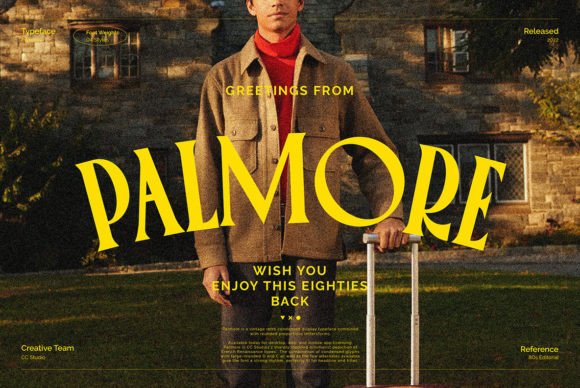
Palmore is a vintage retro condensed display typeface that blends classic design elements with modern functionality. Its rounded letterforms and condensed glyphs create a unique visual rhythm, making it ideal for headlines, titles, and other prominent text applications. Whether you're designing a logo, crafting a marketing campaign, or working on a creative project, Palmore offers a distinctive style that stands out.
The font's large-rounded O and C add a sense of warmth and approachability, while the few available alternates provide subtle variation without overwhelming the reader. This balance makes Palmore both versatile and easy to use, especially for those who appreciate the aesthetics of vintage typography but need a practical solution for contemporary design needs.
Why Palmore Matters for Designers and Creators
For professionals in graphic design, branding, and content creation, choosing the right typeface can significantly impact the effectiveness of their work. Palmore offers a strong visual identity that can elevate the look of any project. Its condensed structure allows for more text in less space, which is particularly useful in layouts where space is limited.
Designers who focus on retro or vintage themes will find Palmore especially appealing. The font’s historical influences are evident in its structure, yet it remains adaptable to modern design practices. This makes it a valuable tool for anyone looking to blend nostalgia with current trends.
Practical Benefits of Using Palmore
One of the key advantages of Palmore is its PUA encoding, which allows users to access all glyphs and ligatures without needing special software. This means you can take full advantage of the font’s unique features without technical barriers. For designers and typographers, this level of accessibility simplifies the creative process and ensures consistency across projects.
Palmore’s strong rhythm and clean lines make it an excellent choice for headlines and titles. In marketing materials, presentations, or web content, using a font like Palmore can draw attention and convey a sense of authenticity. Its visual appeal helps communicate a brand’s story more effectively, especially when the goal is to evoke a sense of history or tradition.
Who Can Benefit from Palmore?
Palmore is particularly suited for creators who work with vintage or retro themes. This includes graphic designers, illustrators, and artists who want to incorporate nostalgic elements into their work. It also appeals to small business owners and entrepreneurs looking to establish a unique brand identity that feels both familiar and fresh.
Marketers and content creators can use Palmore to add visual interest to campaigns, social media posts, and advertisements. Its readability and distinctiveness make it a strong choice for eye-catching headlines that stand out in a crowded digital landscape. Educators and publishers may also find value in Palmore for creating engaging learning materials or publications with a timeless feel.
Real-World Applications of Palmore
Consider a scenario where a small business owner is launching a new line of handmade products. They want a logo that feels authentic and connects with customers on an emotional level. By using Palmore, they can achieve a vintage aesthetic that resonates with their target audience while maintaining a professional appearance.
Another example could be a blogger writing about retro fashion or vintage culture. Incorporating Palmore into their website or social media graphics can enhance the overall theme and create a cohesive visual experience for readers. The font’s ability to convey a sense of history without being overly complex makes it ideal for such contexts.
Limitations and Considerations
While Palmore is highly effective for display purposes, it may not be the best choice for body text. Its condensed structure and stylized letterforms are designed to catch attention rather than support long paragraphs of reading. Users should consider this when planning their layout and choose appropriate fonts for different sections of their work.
Additionally, the font’s unique characteristics may not align with every design project. Those seeking a more neutral or minimalist style might prefer a different typeface. However, for projects that benefit from a strong visual identity, Palmore offers a compelling option that can enhance the overall impact of the design.
How Palmore Supports Creativity and Efficiency
For creatives, having access to a well-designed font like Palmore can streamline the design process. Instead of searching for multiple fonts to achieve a specific look, they can rely on Palmore’s versatility to meet their needs. This saves time and reduces the complexity of managing multiple typefaces in a project.
Moreover, the font’s rhythmic structure encourages a sense of flow in design compositions. This can help maintain visual harmony and ensure that elements work together cohesively. Whether used in print or digital formats, Palmore contributes to a polished and professional outcome.
Final Thoughts on Palmore
Palmore is more than just a typeface—it’s a tool that can enhance the visual storytelling of any project. Its combination of vintage charm and modern usability makes it a valuable asset for designers, marketers, and creators alike. By understanding its strengths and limitations, users can make informed decisions about when and how to incorporate Palmore into their work.
Whether you’re looking to add a touch of nostalgia to your designs or create a bold statement with your typography, Palmore offers a unique solution that can help you achieve your goals. With its PUA encoding and thoughtful design, it’s a font that supports creativity without compromising on functionality.