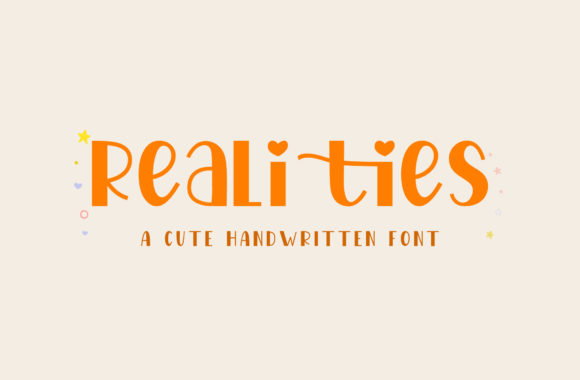
Realities: A Modern Display Font for Dynamic Design
Realities is a display font that brings a bold and contemporary feel to any design project. Its clean lines and strong character make it ideal for headings, logos, and other visual elements where impact matters. Whether you're working on a brand identity, a marketing campaign, or a personal project, Realities can add a modern edge that stands out.
As a designer or content creator, you know the importance of choosing the right typeface. The font you select can influence how your message is received, how professional your work appears, and how memorable your visuals are. Realities fits into this process by offering a versatile option that balances style with readability.
Understanding Realities in the Design Process
Realities is more than just a font—it's a tool that can enhance your workflow. It works best when integrated early in the design process, helping to define the tone and direction of your project. By selecting Realities as your primary display font, you set a visual foundation that can guide other design choices, such as color schemes, layout structures, and imagery.
Before starting a project, consider the message you want to convey. If your goal is to communicate strength, confidence, or innovation, Realities can be an excellent choice. It pairs well with both minimalist and complex designs, making it adaptable across different styles and industries.
Using Realities in Different Stages of a Project
Realities can be used at multiple stages of a design or creative process. During the planning phase, it can help visualize how text will appear in final outputs. This allows for adjustments before moving into production, saving time and reducing errors.
During execution, Realities can serve as a consistent element across various assets. Whether you're designing a website, a social media post, or a print flyer, using the same font helps maintain brand coherence. It also ensures that your message remains clear and impactful across different platforms.
After a project is completed, Realities can still play a role in quality control. Reviewing your work with this font can help identify issues with spacing, alignment, or legibility that might not be apparent with other typefaces. This step is especially important for projects that require high attention to detail.
Integration with Other Tools and Resources
Realities works well with a variety of design tools and platforms. It is compatible with most graphic design software, including Adobe Creative Suite, Figma, and Canva. This compatibility makes it easy to incorporate into your existing workflow without disrupting your usual processes.
When working with teams, having a shared font like Realities can streamline collaboration. It reduces confusion about which typefaces to use and ensures that all team members are aligned with the visual identity of a project. This consistency is crucial for maintaining professionalism and clarity in group efforts.
Realities also integrates smoothly with other design elements. For example, when paired with a neutral background or complementary colors, it can create a striking contrast that draws attention. It can also be used alongside other fonts for body text, allowing for a balanced and readable composition.
Practical Implementation Tips
To get the most out of Realities, start by experimenting with different sizes and weights. While the font is designed to be strong and dynamic, adjusting its size can affect how it reads in different contexts. For instance, a larger size may be better for headlines, while a smaller size could work for subheadings or captions.
Consider the context in which Realities will be used. If you're designing for a digital platform, ensure that the font renders clearly on different screen sizes and resolutions. For print materials, check that the font looks sharp and legible when printed. These small details can have a big impact on the overall quality of your work.
Another tip is to use Realities sparingly. While it’s a powerful font, overusing it can lead to visual clutter. Instead, reserve it for key elements where it can make the biggest impact. This approach helps maintain a clean and professional look across your designs.
Realities in Workflow and Daily Use
For professionals who work with design regularly, Realities can become a go-to font for many projects. Its versatility and strong presence make it suitable for a wide range of tasks, from branding to content creation. By incorporating it into your daily workflow, you can build a consistent visual language that reflects your style and expertise.
Entrepreneurs and small business owners can benefit from using Realities in their marketing materials. It adds a modern and confident look to logos, banners, and advertisements, helping to establish a strong brand identity. This can be especially useful when competing in crowded markets where first impressions matter.
Freelancers and creatives can also use Realities to differentiate their work. In a competitive industry, having a unique and recognizable font can set your designs apart from others. It can also help clients remember your work, leading to repeat business and referrals.
Long-Term Use and Maintenance
When using Realities long-term, it’s important to keep your design files organized. This includes saving versions of your work and keeping track of font licenses if applicable. Proper organization ensures that you can revisit and update projects easily without losing the integrity of your original designs.
Regularly reviewing your use of Realities can also help you stay current with design trends. While the font has a modern feel, new styles and preferences may emerge over time. Staying informed about these changes allows you to adapt your use of Realities effectively.
Finally, consider the accessibility of your designs. Ensure that Realities is used in a way that is readable for all users, including those with visual impairments. This may involve adjusting font sizes, spacing, or contrast to meet accessibility standards.
Realities is more than just a font—it’s a tool that can enhance your design process and elevate your work. By understanding how to use it effectively, you can create visually compelling projects that stand out and resonate with your audience.