Rochek: A Stylish and Distinctive Display Font for Creative Projects
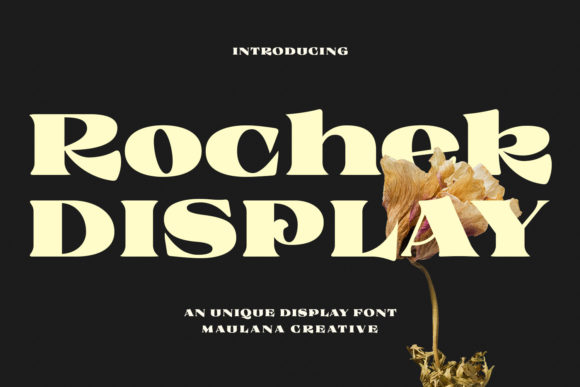
Rochek is a display font that stands out for its bold, thick lettering and modern aesthetic. Designed with a focus on visual impact, it offers a clean yet striking appearance that can elevate a wide range of design projects. Whether used in branding, advertising, or digital content, Rochek provides a strong typographic presence that draws attention without overwhelming the viewer.
Unlike more traditional serif or sans-serif fonts, Rochek incorporates subtle details that give it a unique character. Its thick strokes and geometric structure make it ideal for situations where clarity and visibility are important, while its stylish appearance ensures it doesn’t feel too utilitarian. This balance between form and function makes it a versatile choice for designers looking to add a touch of sophistication to their work.
What Makes Rochek Unique?
Rochek distinguishes itself through its combination of weight and style. The font’s thick lettering gives it a strong, confident look that can command attention in headlines, logos, and other prominent text elements. At the same time, its clean lines and balanced proportions prevent it from appearing too heavy or difficult to read.
One of the key features of Rochek is its versatility across different mediums. It performs well in both print and digital formats, maintaining its clarity and visual appeal at various sizes. This makes it suitable for use in web design, social media graphics, posters, and even mobile interfaces. Its legibility at smaller sizes also means it can be used in more detailed layouts without sacrificing readability.
Another aspect that sets Rochek apart is its ability to blend modernity with a sense of elegance. While some display fonts lean heavily into either retro or ultra-modern styles, Rochek strikes a middle ground. It avoids extreme ornamentation while still offering enough detail to feel distinctive. This makes it a good fit for a variety of design themes, from minimalist to more elaborate compositions.
Comparing Rochek to Similar Fonts
When considering display fonts, Rochek falls into a category that includes options like Montserrat, Bebas Neue, and Lato. Each of these fonts has its own strengths, but Rochek offers a specific set of characteristics that may make it more suitable for certain applications.
For example, Montserrat is known for its clean, modern look and is often used in digital interfaces. While it shares some similarities with Rochek in terms of legibility, it lacks the boldness and visual punch that Rochek brings to the table. Bebas Neue, on the other hand, is highly stylized and often used for large-scale headlines, but its simplicity can sometimes make it feel less refined compared to Rochek’s more nuanced design.
Lato, another popular display font, is more versatile in terms of weight and style, making it a good choice for both headings and body text. However, it doesn’t have the same level of thickness or distinctiveness as Rochek, which may make it less effective in situations where a stronger typographic statement is needed.
In comparison, Rochek offers a middle ground between boldness and refinement. It is not as extreme as some high-contrast display fonts, nor as neutral as more standard sans-serif options. This makes it a good choice for designers who want a font that is both noticeable and professional.
Best Use Cases for Rochek
Rochek is particularly well-suited for projects that require a strong visual identity. It works well in branding materials, such as logos, business cards, and packaging, where a memorable and distinctive font can help establish a brand’s presence. Its thick lettering ensures that it remains readable even when used in small sizes, making it useful for detailed design elements.
In digital design, Rochek can be an effective choice for website headers, call-to-action buttons, and social media posts. Its bold appearance helps it stand out in a crowded online space, making it easier for users to engage with key messages. It is also a good option for presentations, where clear and impactful typography can enhance the overall message.
For print materials, Rochek can be used in brochures, flyers, and posters to create a visually striking layout. Its ability to maintain clarity at different sizes ensures that it remains effective whether used in a large banner or a smaller section of a document. This flexibility makes it a valuable tool for designers working across multiple formats.
When Rochek May Not Be the Best Choice
While Rochek is a strong option for many design scenarios, it may not be the best fit for every project. In cases where a more subtle or neutral font is required, Rochek’s boldness could be seen as overpowering. For instance, in long-form text or detailed infographics, a lighter font might be more appropriate to ensure readability and avoid visual fatigue.
Additionally, Rochek’s stylistic choices may not align with all design aesthetics. Some projects, particularly those with a retro or vintage theme, may benefit from fonts that have a more traditional or historical feel. In such cases, alternatives like Playfair Display or Cinzel could offer a better match for the desired tone and style.
It’s also worth noting that Rochek’s thick lettering may not be ideal for all languages or scripts. While it works well with Latin-based alphabets, its design may not translate as effectively to other writing systems. Designers should consider this when using the font in multilingual contexts.
Decision Factors for Choosing Rochek
When deciding whether to use Rochek, designers should consider several factors, including the project’s goals, target audience, and visual style. If the goal is to create a strong, memorable impression, Rochek can be an excellent choice. Its bold and stylish appearance can help differentiate a project from others, especially in competitive environments.
On the other hand, if the primary concern is readability or adaptability across different formats, a more neutral font might be preferable. Rochek’s strength lies in its ability to make a statement, but it requires careful consideration of how it fits into the broader design context.
Designers should also test Rochek in different scenarios to see how it performs. This includes checking its appearance at various sizes, in different color schemes, and alongside other typefaces. By doing so, they can ensure that it meets the specific needs of their project without causing unintended visual issues.
Conclusion: Is Rochek Right for Your Project?
Rochek is a font that combines boldness with elegance, making it a compelling choice for a wide range of design applications. Its thick lettering and modern style provide a strong visual presence, while its legibility and versatility ensure it remains functional in different contexts.
For designers seeking a font that can make a statement without sacrificing clarity, Rochek offers a well-balanced solution. However, it’s important to evaluate its suitability based on the specific requirements of each project. By considering factors such as readability, style, and context, designers can determine whether Rochek is the right choice for their work.
Ultimately, the decision to use Rochek depends on the designer’s goals and the needs of the project. When used appropriately, it can add a distinctive and stylish element to any design, helping to create a more engaging and memorable visual experience.