Rainbow After Rain: A Stylish Font for Purposeful Design
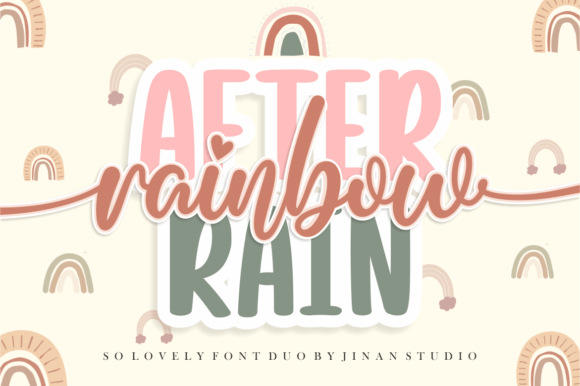
Rainbow After Rain is a versatile and elegant font that blends a script with a sans serif to create a unique visual identity. This duo font offers a delicate yet striking presence, making it ideal for projects that require a touch of sophistication and emotional resonance. Whether you're designing a wedding invitation, crafting a brand logo, or developing a marketing campaign, Rainbow After Rain provides the flexibility and style needed to elevate your work.
The font’s PUA encoding ensures that all glyphs and swashes are easily accessible, allowing designers to explore creative possibilities without technical limitations. This feature makes Rainbow After Rain particularly valuable for those who want to maintain control over their design elements while achieving a polished outcome.
Strategic Value of Rainbow After Rain
In today’s competitive market, visual communication plays a crucial role in shaping perceptions and driving engagement. Rainbow After Rain offers a strategic advantage by combining aesthetic appeal with practical functionality. Its dual nature allows for seamless integration into various design contexts, from digital platforms to print materials.
For entrepreneurs and small business owners, this font can help establish a strong brand identity. The romantic and refined appearance of Rainbow After Rain aligns well with industries such as fashion, lifestyle, and hospitality—sectors where visual storytelling is essential. By using this font thoughtfully, businesses can differentiate themselves and connect more deeply with their target audience.
Marketers and content creators can also benefit from the font’s versatility. It works well for headlines, social media graphics, and promotional materials, adding a touch of elegance that captures attention. When used strategically, Rainbow After Rain can enhance the overall tone of a message, reinforcing the intended emotion or value proposition.
When to Use Rainbow After Rain
Rainbow After Rain is best suited for projects that require a balance between creativity and clarity. It excels in applications where a personal or emotional connection is important, such as in greeting cards, invitations, and branding materials. However, its use should be guided by the context and purpose of the design.
Consider using Rainbow After Rain when the goal is to evoke a sense of hope, renewal, or beauty. For example, in campaigns focused on sustainability, wellness, or personal growth, the font’s gentle and uplifting style can reinforce the message. It is also effective in educational or artistic settings where visual appeal supports the learning or creative process.
However, it is important to avoid overusing the font in environments where clarity and readability are critical. In situations such as data reports, technical documents, or user interfaces, a more straightforward typeface may be more appropriate. The key is to match the font’s character with the needs of the audience and the goals of the project.
Planning and Approach for Effective Use
To maximize the impact of Rainbow After Rain, start by defining the purpose of your design. Ask yourself: What message do I want to convey? Who is my audience? How does this font support the overall vision? These questions will help guide your decision-making and ensure that the font serves a clear function.
When incorporating Rainbow After Rain into a design, consider the surrounding elements. The font pairs well with minimalist layouts, soft color palettes, and natural imagery. It can also be combined with other fonts to create contrast and visual interest. For instance, pairing it with a clean sans serif can provide balance and enhance readability.
Another important consideration is consistency. If you’re using Rainbow After Rain across multiple platforms or materials, ensure that it maintains a cohesive look and feel. This includes adjusting spacing, sizing, and alignment to fit different formats and mediums.
Practical Examples and Use Cases
One practical application of Rainbow After Rain is in wedding and event planning. The font’s romantic and delicate style makes it ideal for invitations, signage, and digital promotions. It adds a personal and elegant touch that resonates with couples looking for a unique and meaningful experience.
For bloggers and publishers, Rainbow After Rain can be used to highlight key sections of an article or to create visually appealing headers. It works particularly well in lifestyle, fashion, and travel content, where aesthetics play a significant role in reader engagement.
Businesses in the beauty and wellness industry can leverage Rainbow After Rain to reinforce their brand messaging. Whether it’s for packaging, social media posts, or website copy, the font’s soothing and uplifting qualities align with the values of these sectors.
Risks of Unintentional Use
While Rainbow After Rain is a powerful tool, it can lose its effectiveness if used without clear intent. Randomly applying the font to unrelated projects may dilute its impact and confuse the audience. This is especially true in professional or corporate settings, where consistency and precision are key.
Additionally, overuse of decorative fonts like Rainbow After Rain can lead to visual clutter, making it difficult for the audience to focus on the main message. It’s important to strike a balance between creativity and functionality, ensuring that the font enhances rather than overwhelms the design.
Without proper planning, the font may also fail to resonate with the intended audience. For example, using it in a high-tech or industrial context might not align with the expectations of the audience, leading to a disconnect between the design and the message.
Intentional Use for Long-Term Results
To use Rainbow After Rain intentionally, start by aligning it with your broader goals. Whether you’re building a brand, launching a product, or creating content, the font should serve a specific purpose. This approach ensures that every design choice contributes to the overall strategy and outcomes.
Consider how the font fits into your long-term vision. If you’re aiming to create a consistent brand identity, Rainbow After Rain can become a signature element that strengthens recognition and trust. Over time, this intentional use can build a stronger emotional connection with your audience.
Finally, stay open to feedback and refinement. As your projects evolve, so too should your design choices. Regularly assess how Rainbow After Rain is performing in different contexts and make adjustments as needed. This iterative approach helps maintain relevance and effectiveness over time.
Conclusion: Elevating Design with Purpose
Rainbow After Rain is more than just a font—it’s a tool for thoughtful design. Its unique combination of script and sans serif offers a range of creative possibilities, making it suitable for a wide array of applications. However, its true value lies in how it is used.
By approaching Rainbow After Rain with intention and strategy, designers, marketers, and business owners can unlock its full potential. Whether it’s enhancing a brand’s identity, supporting a creative project, or strengthening a marketing message, the font provides a means to achieve better results through purposeful design.
Ultimately, the key to success with Rainbow After Rain is to use it in a way that aligns with your goals, resonates with your audience, and contributes to your long-term vision. With careful planning and execution, this font can become a valuable asset in your design toolkit.